


- Advertisement -
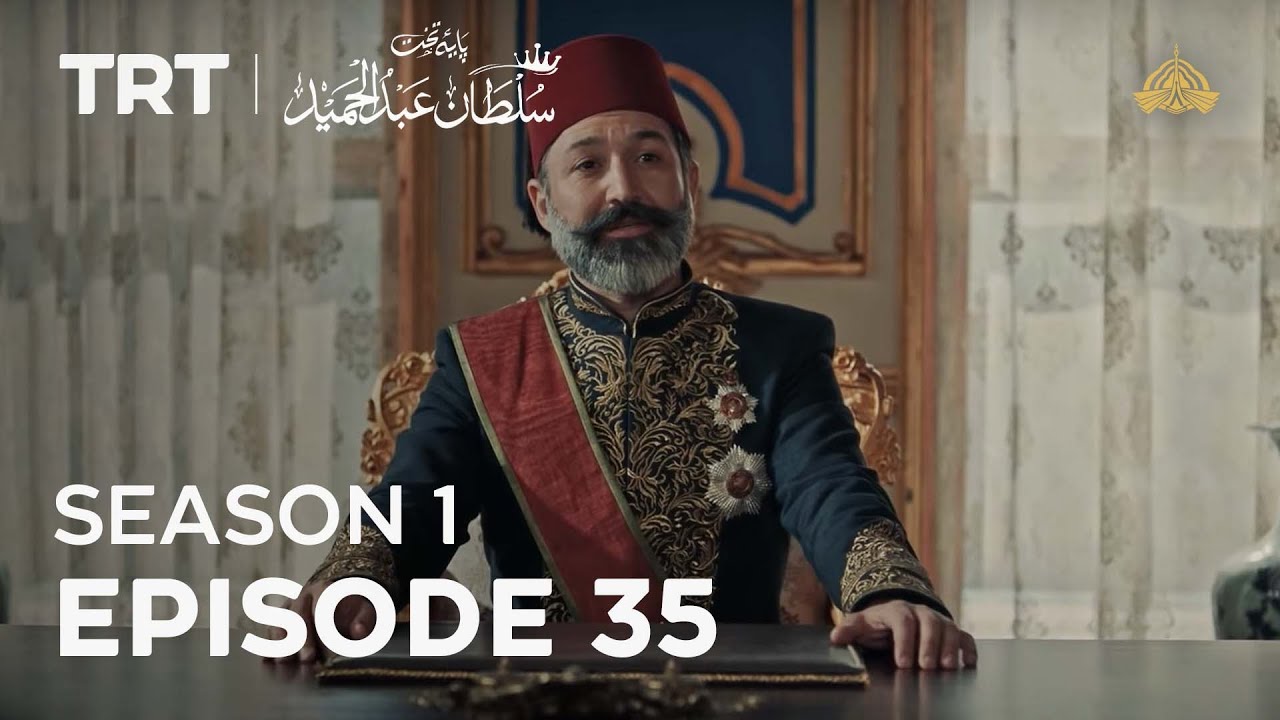
Sultan Abdul Hameed Season 1 Episode 35
To make up for the lost incomes, the Ruler set out upon a wide scope of monetary changes. He initiated a monetary cycle and laid out a review division. The division heads were urged to manage their financial plans. The King eliminated his costs from the spending plan and met them through his assets. The privy totes of the sovereigns were diminished. To expand incomes, horticulture and industrialization were supported. A horticultural bank was laid out to give low-premium advances to ranchers.
- Advertisement -
Watch Sultan A.H Season 1 Urdu Hindi Dubbed Episode No.35
The necessities of the military, and a regular citizen organization expected to regulate the huge realm, requested a proficient, prepared workforce. Ruler Abdul Hamid realize that the Stools couldn’t find the West except if the schooling system was transformed and extended. The training was consequently given the most elevated need. The Ruler made sure that the training changes that were started during the tanzeemat were finished during his rule. This is Episode number 33 of Payitaht King Abdul Hameed. The Sheikh ul Islam, as the main strict functionary of the state, had oversight authority over mosques, madras, shelters, and strict distributions. He deciphered the Sarah and guaranteed that its directs were carried out in the Sarah courts. The sheik, alongside the fantastic vizier, the khedive of Egypt, and the sovereign of Bulgaria framed the most elevated echelon of functionaries at the court of the King. The best accolade for Ruler Abdul Hamid is that even today numerous Muslims all over the planet summon his name with sentimentality for a past period when a revered caliph gave a similarity to political concentration for the worldwide Islamic people group and provided it with a feeling of all-inclusive fraternity. Muslims as distant as India and Nigeria sought him for direction on issues little and huge. His office transmitted strict, political, social, and social impacts across the Islamic world. The Stool fez became a cap for the Turks as well as for Indian Muslims, Egyptians, Moroccans, and Malaysians. His disappointment was that he sought after his modernization program through a profoundly brought together, individual style, which opened him to charges of oppression.
- Advertisement -
Since the obligation trouble was overpowering, the King contributed from his assets to update the guidelines of training in the Muslim strict schools, growing their prospectus to remember guidance for physical science and arithmetic. The millet schools as well as the minister schools run by outsiders saw a comparative expansion in participation. A surtax of 39% on agrarian produce was forced, with 66% of the incomes so created reserved for farming enhancements and the excess 33% for government-funded instruction. Enlistment in the military in Rushdie schools was extraordinarily extended. The military started to lead the pack in working on specialized schooling. With a superior framework of understudies accessible, the Conflict Foundation, the Military Designing School, the Military Clinical School, and the Trader Marine School left on a program of modernization. Armed force educators from Germany and agrarian teachers from France were acquired to overhaul the personnel. Enlistment in the specialized schools expanded four overlaps. The College of Istanbul was returned in 1900 with the resources of Arithmetic, Actual Sciences, Religion, and Sociologies. Execution-based assessments supplanted the old arrangement of preference for admission to specialized schools and the college. The King’s instructive changes made the ways for offspring of the less well-to-do classes offering them a chance to seek higher posts in common help and the military. Typically, the ascent of an informed class that sprang from the lower positions of society led to requests for expanded political interest and at last prompted the Youthful Turk insurgency and the defeat of the King himself (1909).
Watch Sultan A.H Season 1 in Urdu/Hindi Dubbing
The net aftereffect of these changes was that the Ruler prevailed with regards to holding obligation installments to around 7% of the spending plan while expanding incomes by practically 40% somewhere in the range of 1878 and 1908, the last year of his rule. A side advantage of industrialization was that the European powers were redirected from looking for political-military authority over the Footstools to financial contest for common advantage.
